 Report an Invasive Species
 wnyprism@buffalostate.edu
 (716) 878.4708

INVASIVE SPECIES - Z-A
X
CONTACT US
Great Lakes Center, SAMC 319
SUNY Buffalo State
1300 Elmwood Ave., Buffalo, NY 14222
wnyprism@buffalostate.edu
(716) 878.4708
SUBSCRIBE TO LISTSERV
FOLLOW US


CONTACT
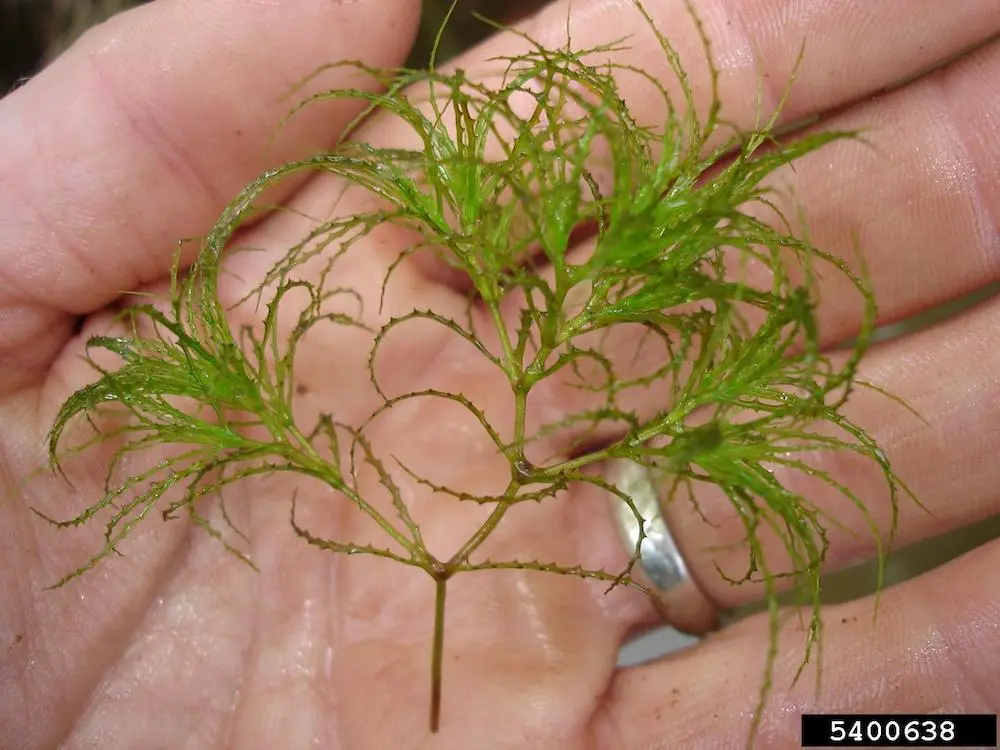
Brittle Naiad
Najas minor
Brittle naiad is an herbaceous annual that grows in dense clusters. Its leaves have visible serrations and are long, pointed and oppositely arranged on highly branched stems. The plant can reproduce from stem fragments, or from small seeds which grow along its stem.
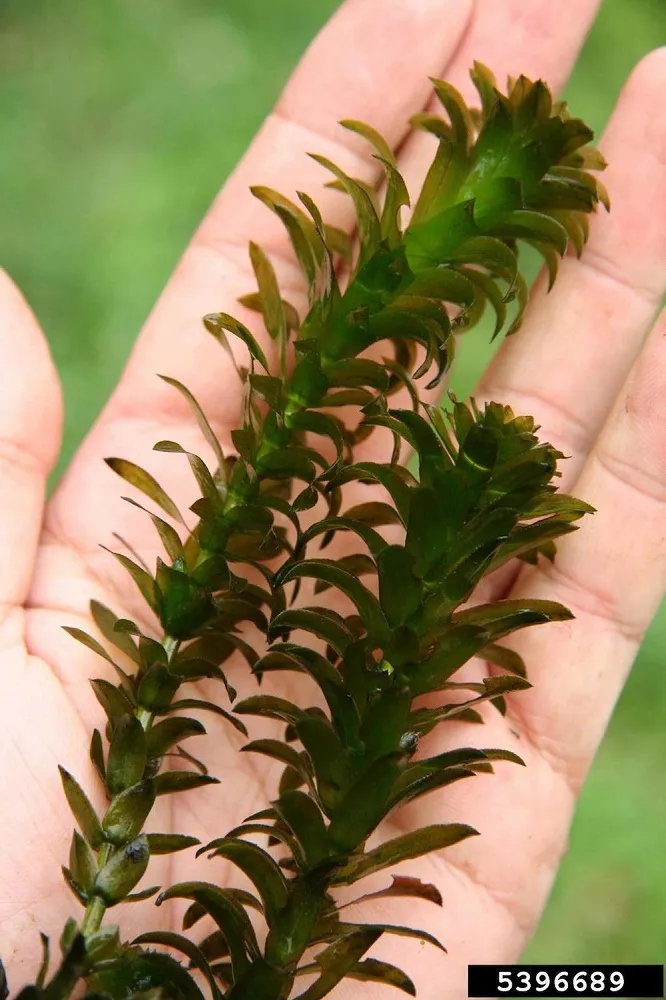
Brazilian Elodea
Egeria densa
Brazilian elodea is a submerged perennial that looks similar to american waterweed (Elodea canadensis), a common native aquatic plant. Brazilian elodea has finely-toothed leaves that are bright green, bushy, and are usually arranged in whorls of four around the stem. The plant has round stems that can grow in water up to 20 ft. deep and often branches near the surface. It reproduces via plant fragmentation.
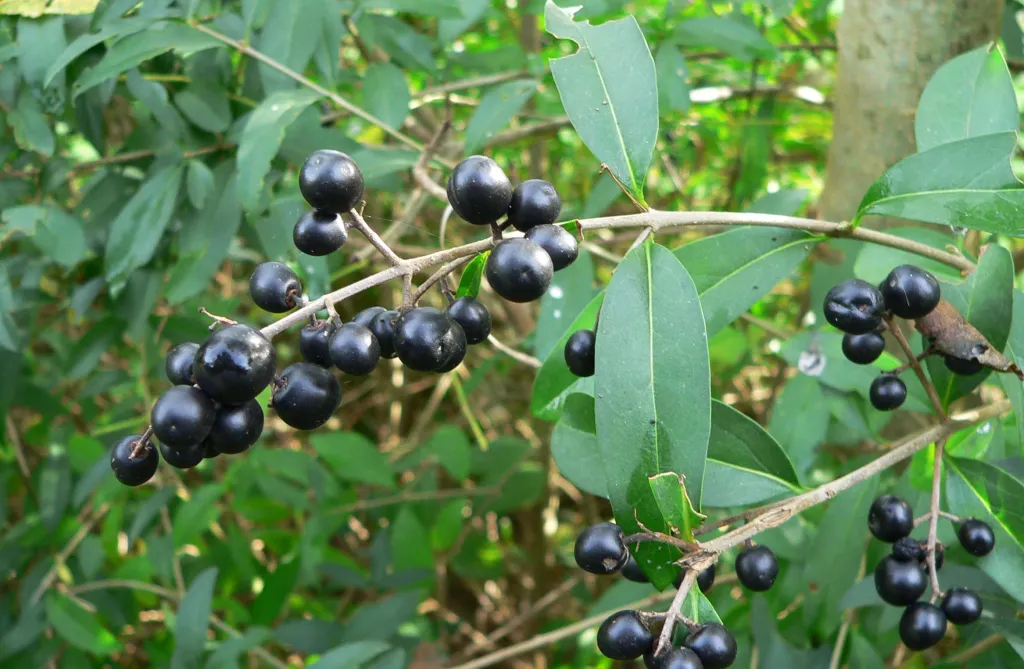
Border Privet
Ligustrum obtusifolium
Border privet is a deciduous shrub that may grow to be 20 ft. tall. It forms dense thickets, shading out native plants. It also displaces native shrubs and seedlings in regenerating forests.
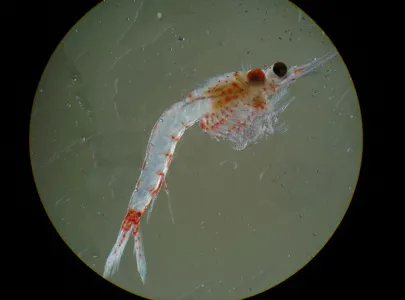
Bloody Red Shrimp
Hemimysis anomala
The bloody red shrimp are translucent ivory-yellow in color, and exhibit bright red to reddish-orange coloring around the head and tail. The threat to the Great Lakes is currently not well understood.

Black Locust
Robinia pseudoacacia
Black locusts threaten prairies, savannahs and upland forests. They have an extensive root system that allows them to reproduce clonally, sprouting many clones in one area. As they grow, they'll form islands of dense canopy which shade out any plants below them.
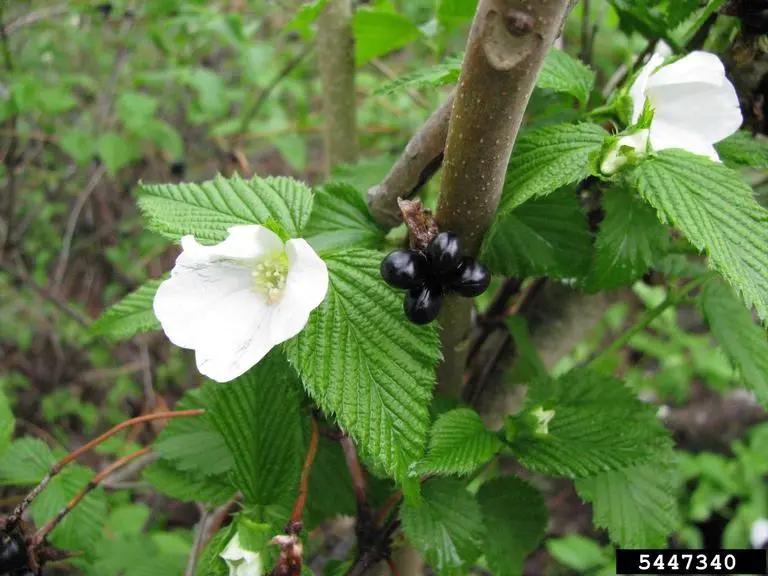
Black Jetbead
Rhodotypos scandens
Black jetbead is a deciduous shrub that can grow up to 5 feet tall. It forms a dense shrub layer that shades out native species and restricts the establishment of tree seedlings. Black jetbead is one of our Data Gap Species Priorities for 2024.
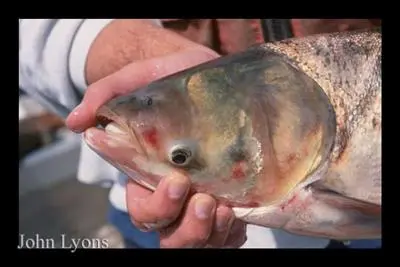
Bighead Carp
Hypophthalmichthys nobilis
The bighead carp is a large, narrow fish with eyes that project downward. The body coloration is dark gray, fading to white toward the underside, with dark blotches on the sides.
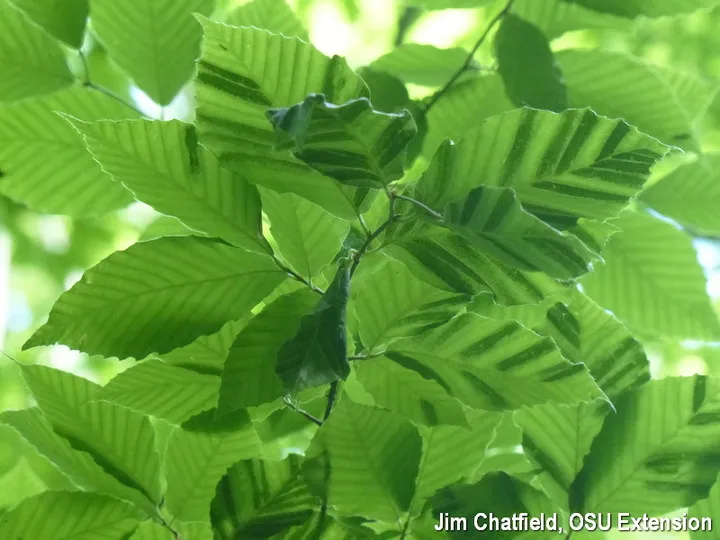
Beech Leaf Disease
Litylenchus crenatae mccannii
Beech leaf disease is a new threat to WNY and poses a serious threat to beech forests. Research is ongoing to learn more about the biology of this disease including its spread vectors.
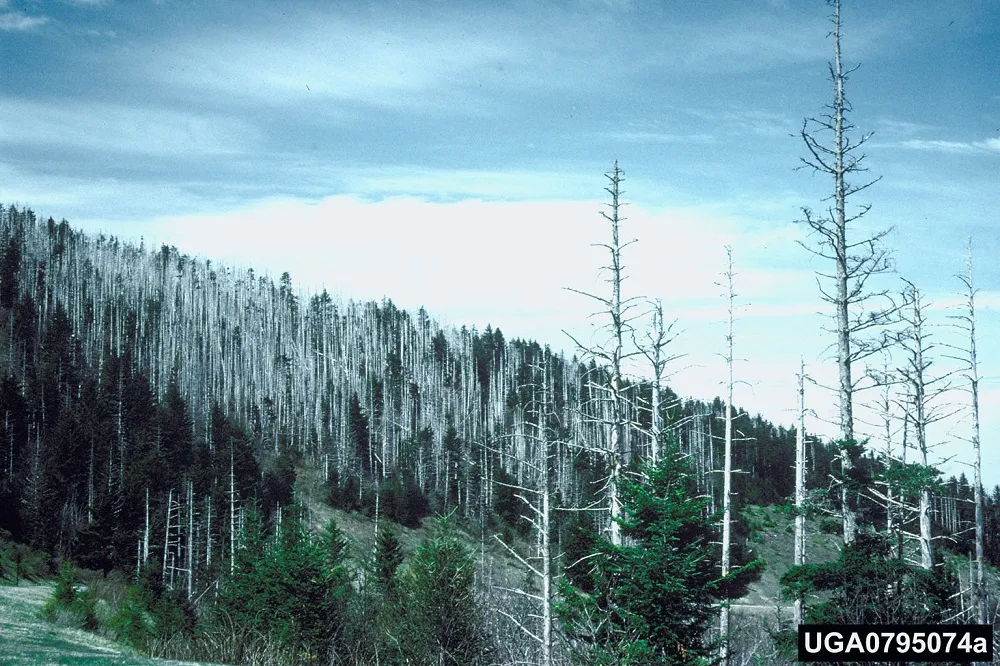
Balsam Woolly Adelgid
Adelges piceae
Adults are tiny (about 1 mm long) and appear dark purple to black in color. They produce a thick layer of light-colored, waxy, wool-like material that covers their body.
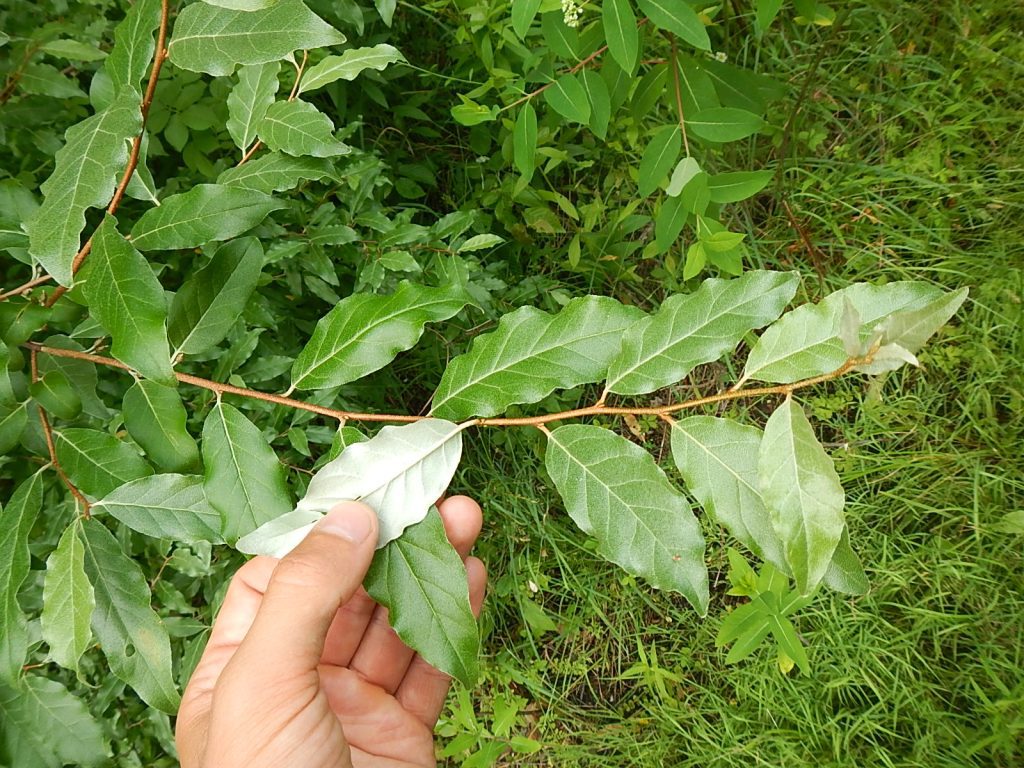
Autumn Olive
Elaeagnus umbellata
Autumn olive is a large deciduous shrub that can grow to a height of 15 ft, and a width of 20 ft. Its leaves are oval or lance-shaped with entire and wavy margins, dull green in color with silvery underside.