 Report an Invasive Species
 wnyprism@buffalostate.edu
 (716) 878.4708

INVASIVE SPECIES - Z-A
X
CONTACT US
Great Lakes Center, SAMC 319
SUNY Buffalo State
1300 Elmwood Ave., Buffalo, NY 14222
wnyprism@buffalostate.edu
(716) 878.4708
SUBSCRIBE TO LISTSERV
FOLLOW US


CONTACT
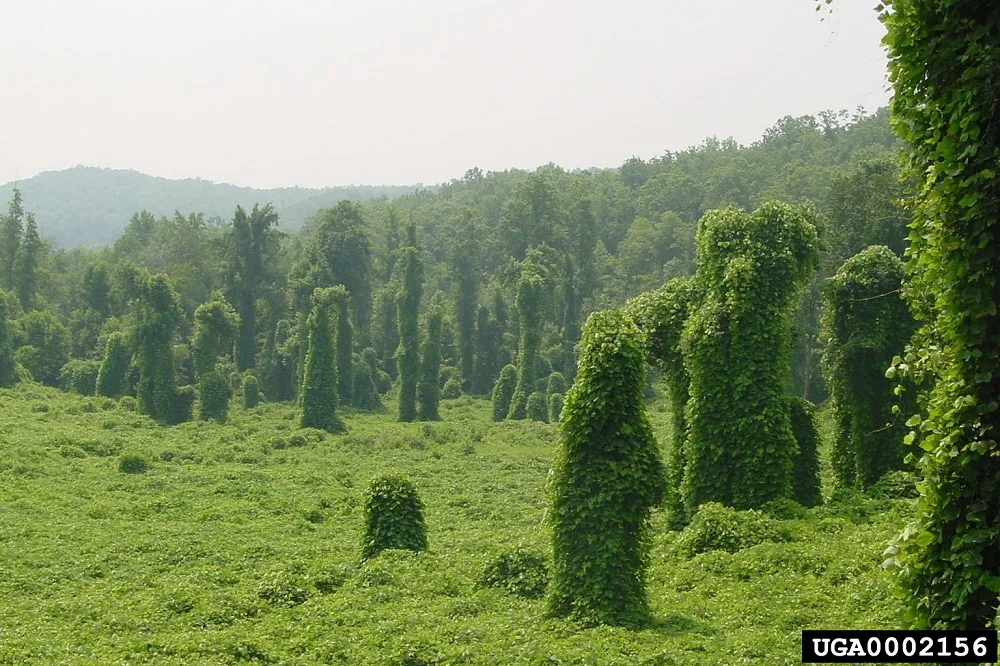
Kudzu
Pueraria lobata
Kudzu is a climbing, woody, perennial vine that has the potential to reach up to 100 ft. in height. Alternately arranged leaves are compound with three leaflets. The vine is yellow-green to grey in color, and may reach a thickness of 10" or more in diameter. Kudzu has purple, highly fragrant flowers that are borne in long, hanging clusters. Its brown, hairy, flattened seed pods are produced from September to January.

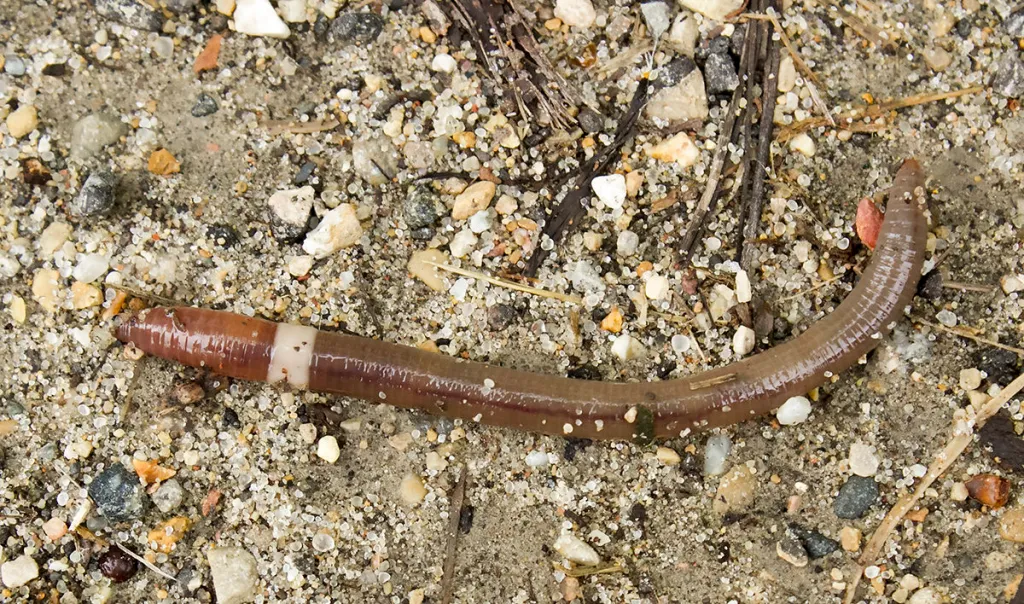
Jumping Worms
Amynthas spp. and Metaphire spp.
Jumping worms consume organic matter in soil that supplies nutrients to native plant species. The soil disruption leaves soil grainy and damages plant root structures.
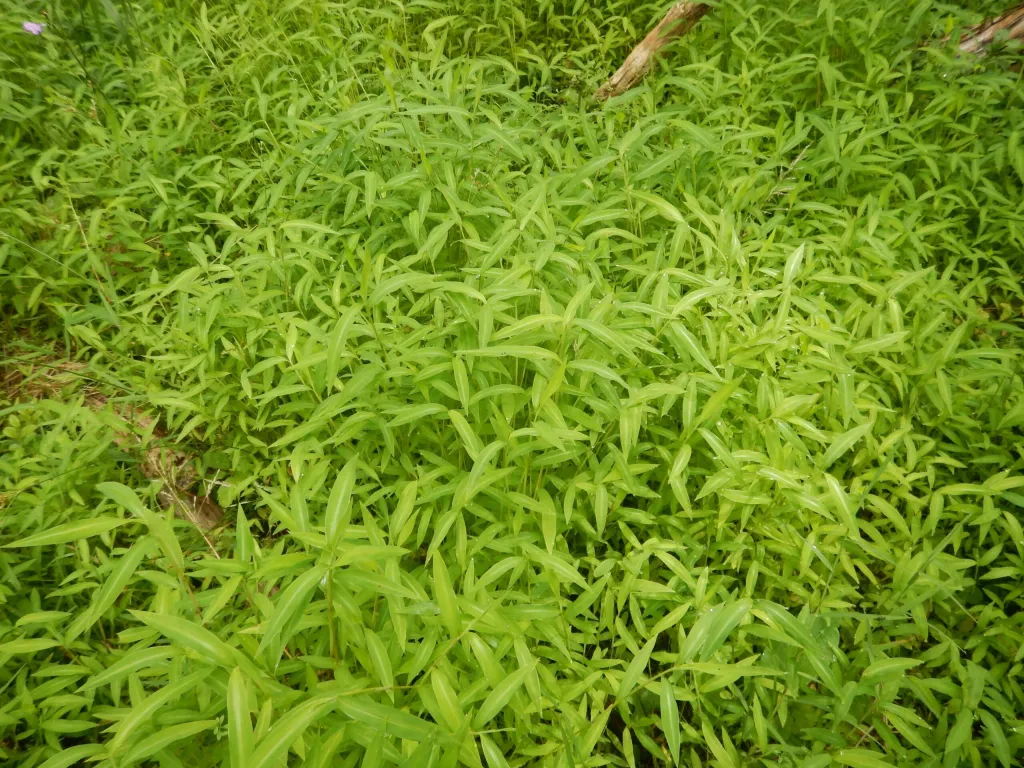
Japanese Stiltgrass
Microstegium vimineum
Japanese stiltgrass is an annual grass that sprawls along the ground as it grows. It's adapted to low light conditions but can be found in a wide range of habitats.

Japanese Honeysuckle
Lonicera japonica
Japanese honeysuckle is a woody, perennial vine that can both trail and climb, reaching heights of up to 80 feet. It grows over shrubs and trees, causing them to collapse under the additional weight or girdling the supporting tree.

Japanese Barberry
Berberis thunbergii
Japanese barberry is a deciduous shrubs that can grow 8 ft. tall. It has grooved stems with single or paired thorns in the nodes.
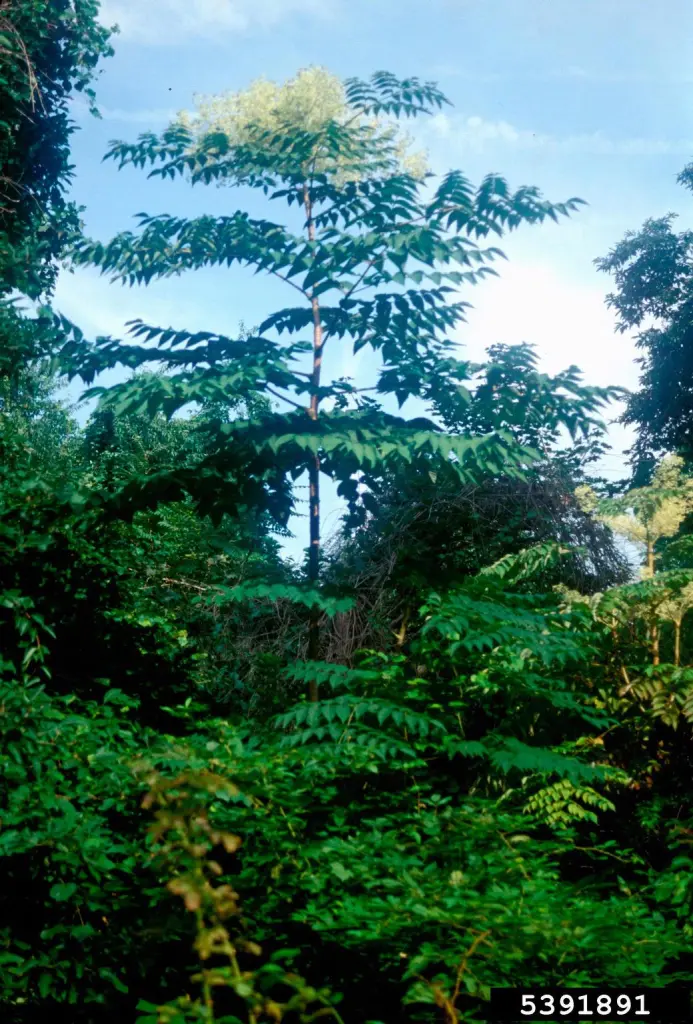
Japanese Angelica Tree
Aralia elata
The Japanese angelica tree is a deciduous shrub or tree that can grow up to 40 feet in height. The tree is multi-stemmed, and the bark is covered in sharp thorns.
Hemlock Woolly Adelgid
Adelges tsugae
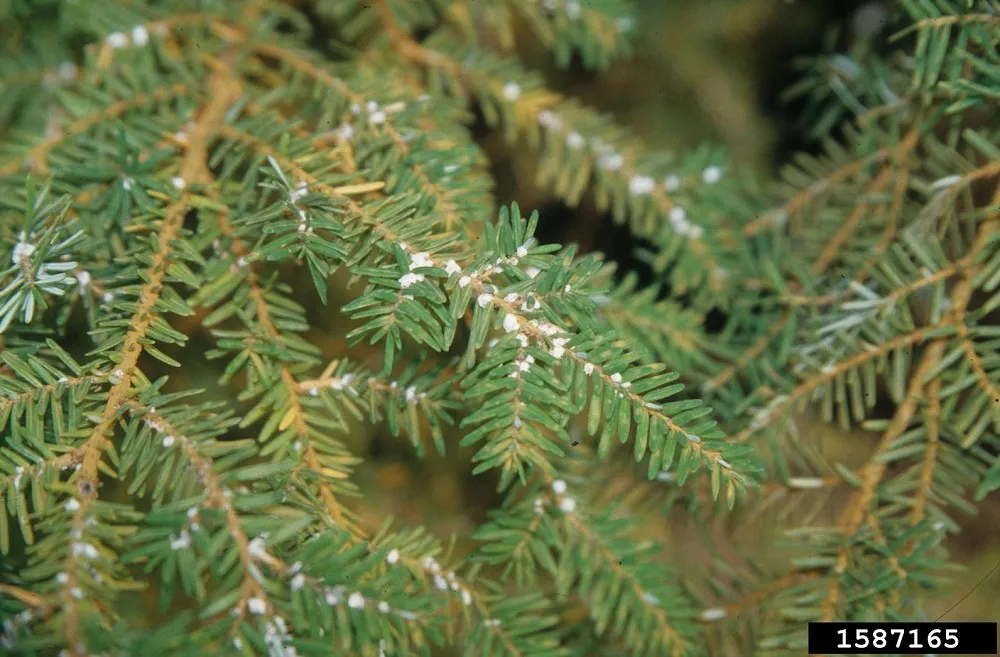
HWA is a tiny, aphid-like insect that was first reported in the eastern United States in the 1950's. Its name derives from a white "wool-like" covering, called an ovisac, on mature egg-laying adults.
Hardy Kiwi
Actinidia arguta
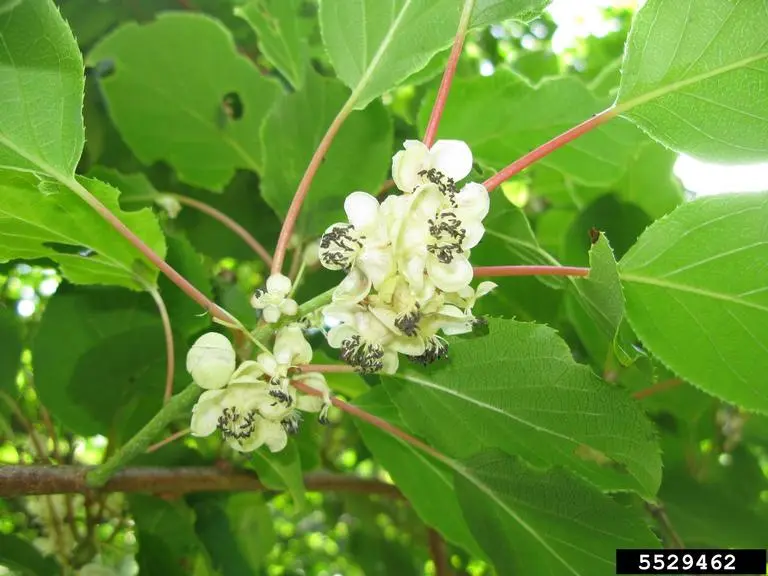
Hardy kiwi readily germinates under a closed canopy and can climb up and smother surrounding vegetation. This allows it to crowd out native vegetation and reduce biodiversity. Hardy kiwi is an Approaching Region Priority Species.