 Report an Invasive Species
 wnyprism@buffalostate.edu
 (716) 878.4708

INVASIVE SPECIES - LATEST
X
CONTACT US
Great Lakes Center, SAMC 319
SUNY Buffalo State
1300 Elmwood Ave., Buffalo, NY 14222
wnyprism@buffalostate.edu
(716) 878.4708
SUBSCRIBE TO LISTSERV
FOLLOW US


CONTACT
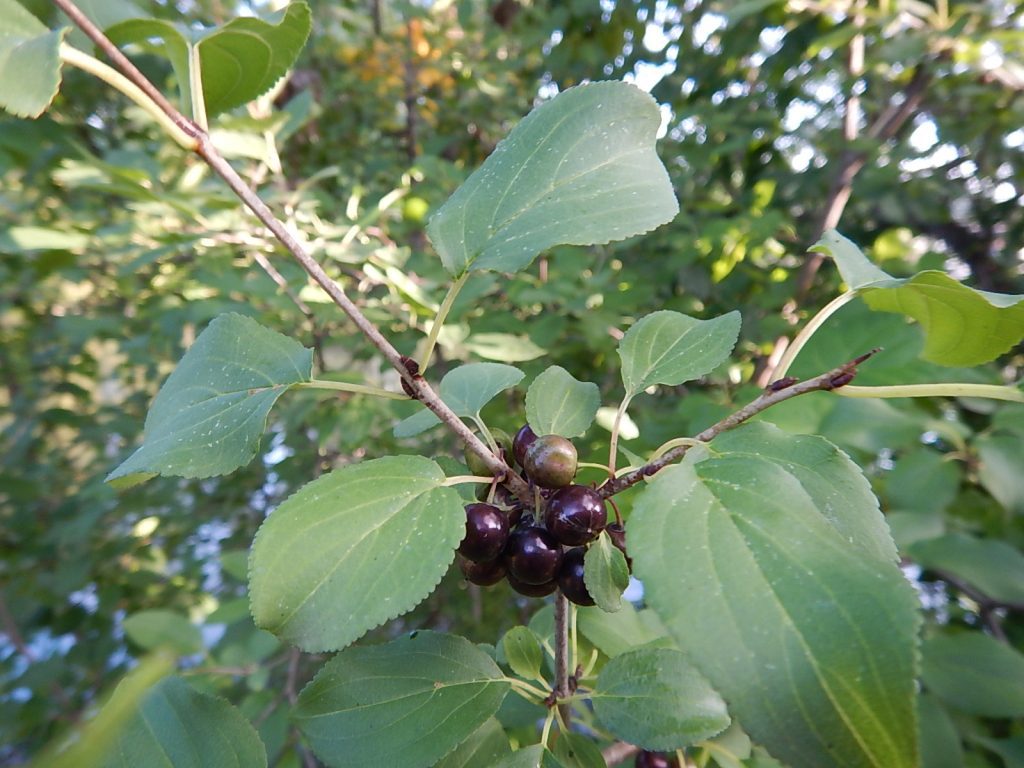
Common Buckthorn
Rhamnus cathartica
Common buckthorn is a deciduous shrub, or small tree, that can grow up to 25 ft in height. Bark is dark gray while inner bark is orange.


White Nose Syndrome
Pseudogymnoascus destructans
White nose syndrome is caused by an invasive (non-native) fungus, Pseudogymnoascus destructans, which affects hibernating bats. The fungus exists in caves and abandoned mines where bats spend the winter hibernating.
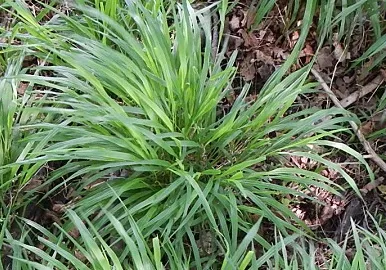
Slender False Brome
Brachypodium sylvaticum
Slender false brome is a perennial grass that grows in dense clumps. This species has long, drooping, bright green leaves 5-12 mm wide, which can be covered in long, sparse hairs or may be hairless.
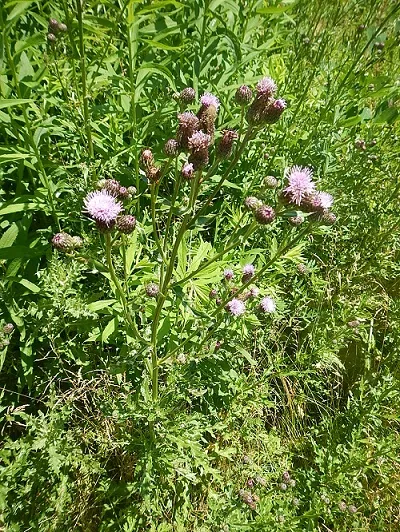
Canada Thistle
Cirsium arvense
Canada thistle is a perennial thistle that grows 1.5-5 ft. tall. Canada thistle displaces native vegetation, lowering plant and animal diversity. It also poses an economic threat to farmers and ranchers, reducing crop yields and pasture productivity.
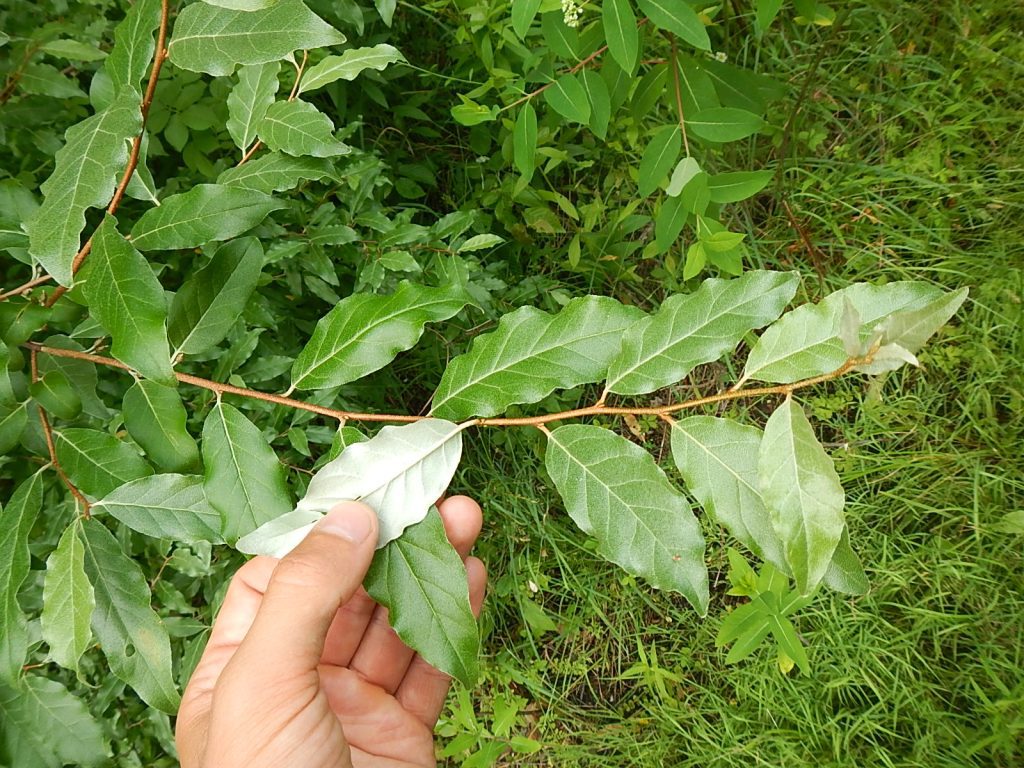
Autumn Olive
Elaeagnus umbellata
Autumn olive is a large deciduous shrub that can grow to a height of 15 ft, and a width of 20 ft. Its leaves are oval or lance-shaped with entire and wavy margins, dull green in color with silvery underside.
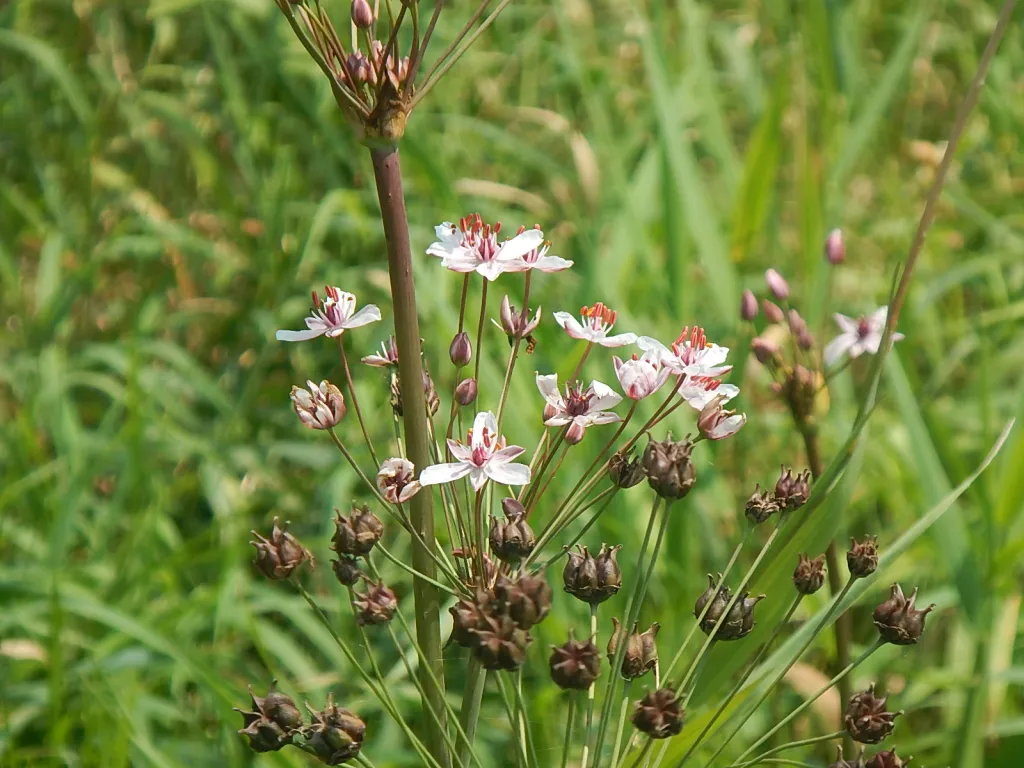
Flowering Rush
Butomus umbellatus
Flowering rush is a perennial, herbaceous, aquatic plant that grows 1-4 ft. tall, on an erect stem. The narrow, pointed leaves are triangular in cross section and have smooth edges and parallel veins.

European Crane Fly
Tipula paludosa
Commodity:
Hayfields, pastures, turf grass, vegetable and small fruit crops
First sighting:
Erie and Niagara (2004)
Impacts:
Larvae (leatherjackets) feed on roots of hay, pastures, turf grass, sugar beets, turnips, and carrots, damaging growth of the plants.
Larvae also emerge to feed on stems and grass blades on damp, warm nights. Damage can also occur on golf greens from birds pecking out the larvae during the spring.
*SOURCE: NYIS.INFO

Swede Midge
Contarinia nasturtii
Swede midges are small, light brown flies. They begin to emerge in May, lasting until mid-June. The adult females lay about 100 eggs throughout their short lifetime of 1-4 days.
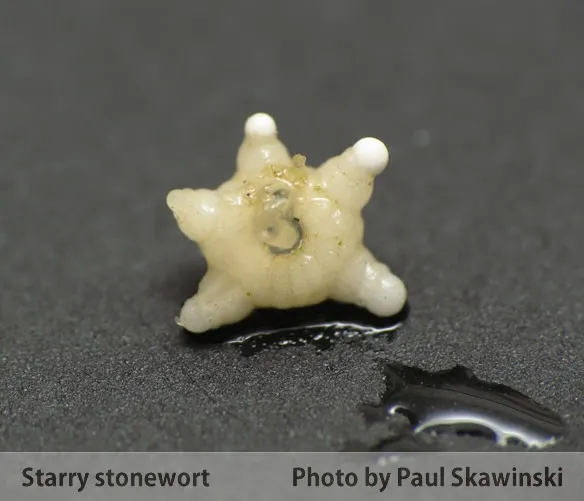
Starry Stonewort
Nitellopsis obtusa
Starry stonewort looks like a rooted plant, but is actually an algae related to the native Chara. It can form dense mats on the lake bottom, and has long, uneven-length, gelatinous branches that look angular at each joint. It may also have one cream colored bulb at the base of each branch cluster.